
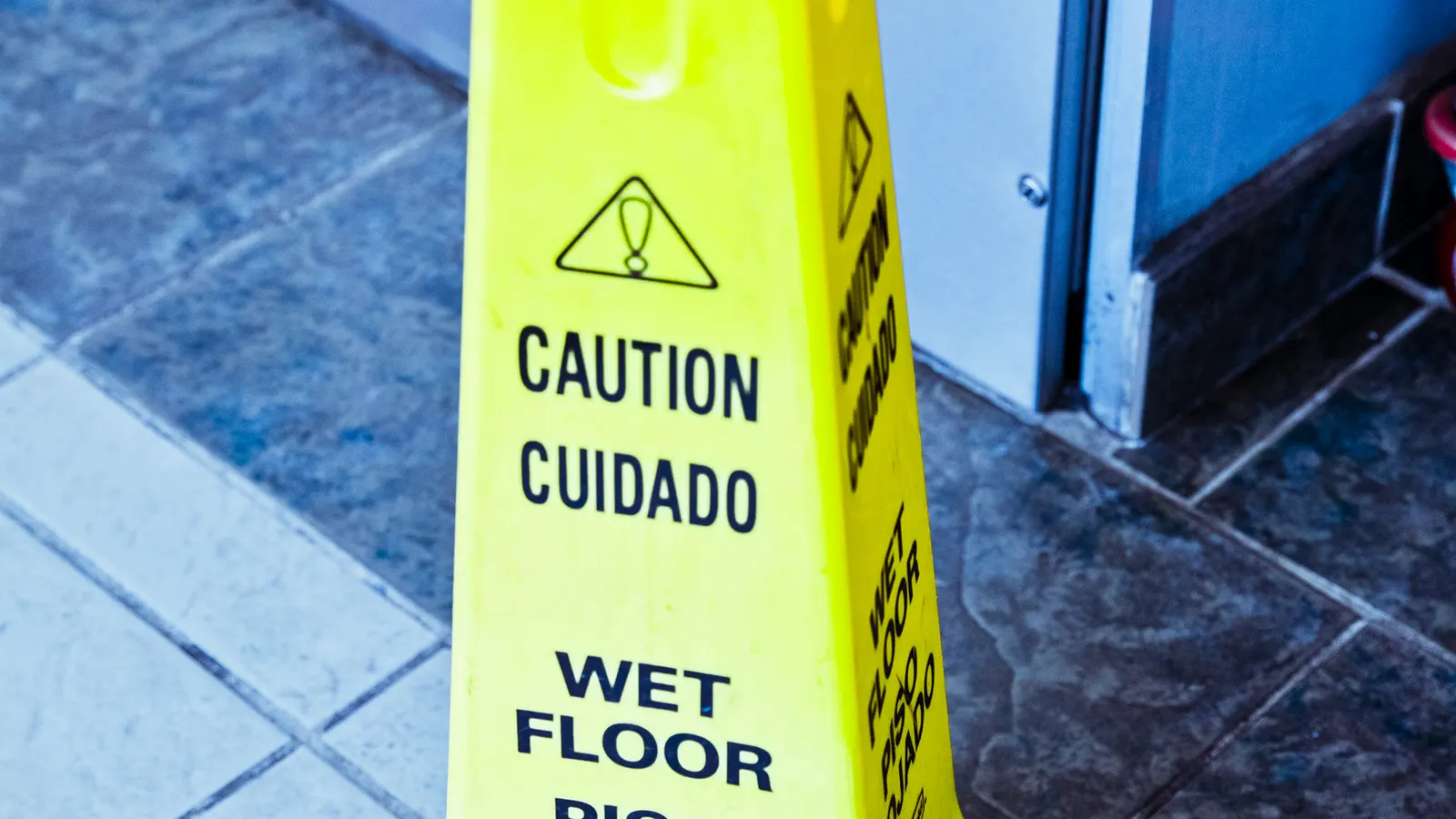
If you fell on someone else’s property and you are searching for a slip and fall attorney Toms River can offer, the first thing to know is that the clock starts on the day you are hurt. New Jersey gives most injured people two years to sue, but a fall on government property comes with a much shorter 90 day notice rule.
This guide explains how slip and fall claims work in New Jersey, who can be held responsible, how shared fault affects your recovery, what evidence to collect and how to choose a lawyer. It is general information and not legal advice. A New Jersey lawyer can apply these rules to the facts of your fall.
What counts as a slip and fall claim in New Jersey
A slip and fall claim is a type of premises liability case. You are hurt because of a dangerous condition on property that someone else owns or controls, and you argue that the owner or occupier failed to use reasonable care. A fall by itself is not enough to win. You generally need to show four things:
- A dangerous condition existed. Examples include a wet floor, a broken stair, ice, torn carpet, poor lighting or debris in a walkway.
- The owner or occupier knew or should have known about it. They may have created the hazard, been told about it or let it sit long enough that a reasonable inspection would have found it.
- They failed to fix it or warn visitors in a reasonable time. A cone, sign or quick cleanup can matter.
- The hazard caused your fall and your injuries. Medical records and photos help connect the two.
New Jersey courts have moved away from rigid labels for visitors and toward a general question of reasonable care, although the reason you were on the property can still matter. In self-service settings such as supermarkets, courts may relax the notice requirement, because spills from customers handling merchandise are a predictable risk.
Common causes of falls around Toms River
Hazards vary by season and by property type, but the same patterns appear again and again:
- Wet or freshly mopped floors in stores, restaurants and building lobbies
- Ice and snow left on steps, ramps and walkways after winter storms
- Cracked or uneven sidewalks and parking lots
- Loose handrails, missing treads and worn carpeting on stairs
- Dim stairwells, garages and entryways
- Clutter, cords and debris left in walkways, including around work sites
Debris near a work site is a classic trip hazard. If you are planning a cleanout or renovation, our guide to a 20 yard roll off dumpster in Brussels, WI explains where a container can sit and which items stay out of the load, which also helps keep walkways clear.
Vacation rentals add another layer. Hosts and cleaners reset a home between guests, and wet floors, loose rugs and stairs are part of that job. Our overview of how to choose a short-term rental cleaning service shows why a written checklist matters for guest safety as well as reviews.
Winter weather alone does not create liability. The question is whether the person responsible acted reasonably once the hazard formed, such as by clearing, salting or warning within a sensible time.
Who can be responsible for your fall
Private owners and landlords
A homeowner, landlord or condo association may be responsible for dangers inside a home, a rental unit or shared areas such as hallways, stairs and parking lots. Tenants often need to report hazards in writing, and that record can help later.
Businesses and commercial property owners
Stores, restaurants, medical offices and apartment complexes owe visitors a duty of reasonable care. Commercial owners are also generally responsible for the sidewalks beside their property, while owners of ordinary residential property generally are not unless they created the danger. Local ordinances can add duties, so the details matter.
Government property
Falls in parks, on public sidewalks, in municipal buildings or on school grounds may involve a public entity. Those claims fall under the New Jersey Tort Claims Act, which brings stricter procedures and a much shorter first deadline.
Deadlines that can end a claim
Deadlines are the part of a slip and fall case that people most often miss. The table below summarizes the main rules. Because exceptions exist, confirm your dates with a lawyer as soon as you can.
| Situation | Key deadline | Rule |
|---|---|---|
| Fall on private or commercial property | Two years from the date of the injury to file suit | N.J.S.A. 2A:14-2 |
| Fall caused by a public entity | Written notice of claim within 90 days, and suit within two years | N.J.S.A. 59:8-8 |
| Late notice against a public entity | Court permission within one year of the injury, only with extraordinary circumstances and no substantial prejudice | N.J.S.A. 59:8-9 |
| Injured minor or person who cannot act legally | Time limits may be extended, so confirm the dates | Varies by case |
For public property, the claim must be presented not later than the 90th day after the cause of action accrues, and the claimant generally cannot file suit until six months after the notice is received. The wording of the statute is plain, and you can read the text of N.J.S.A. 59:8-8 on the 90 day claim deadline to see how strict it is. Missing it can bar the claim entirely unless a judge allows late notice.
How the 51 percent rule affects your claim
New Jersey uses modified comparative negligence, often called the 51 percent bar. If you share some blame for the fall, you can still recover as long as your share of fault is not greater than the combined fault of the defendants. Your compensation is then reduced by your percentage.
Here is a simple example. Suppose a jury values your losses at 100,000 dollars and finds you 20 percent at fault because you were looking at your phone. Your award drops to 80,000 dollars. If you are found 50 percent at fault, you still receive half. If you are found 51 percent or more at fault, you receive nothing.
Insurers know this rule well. They often argue that a hazard was obvious, that your shoes were unsuitable or that you were distracted. Good evidence about lighting, warning signs, the condition of the floor and how long the hazard existed helps keep your share of fault low.
What to do after a fall
The steps you take in the first days can shape the whole claim. Use this list as a starting point:
- Get medical care. Some injuries show up hours later, and a prompt record links your symptoms to the fall. Follow your treatment plan.
- Report the fall. Tell the manager, owner or property manager, and ask for a copy of any incident report.
- Photograph the scene. Capture the hazard, the surrounding area, the lighting and any missing warning signs before conditions change.
- Collect witness details. Names and phone numbers matter, because memories fade and employees change jobs.
- Keep your shoes and clothing. Do not wash or discard them, since the defense may question footwear.
- Save every record. Keep bills, prescriptions, mileage and proof of missed work.
- Be careful with statements. Avoid posting about the fall online, and do not give a recorded statement to an insurer before getting advice.
- Calendar the deadlines. If public property was involved, mark the 90 day date right away.
How to choose a slip and fall attorney Toms River residents can rely on
Many personal injury lawyers offer a free first consultation, so you can compare more than one before you decide. Look for a lawyer who handles premises liability regularly, not someone who treats it as a side matter. Ask about trial experience too, because insurers often offer more when they believe a case could go to court.
- Focus: Ask how many premises liability and slip and fall cases the lawyer has handled.
- Local knowledge: A lawyer who regularly practices in Ocean County courts will know the local procedures.
- Fees: Many firms work on a contingency basis, meaning the fee comes from a recovery. New Jersey court rules limit contingency fees in injury cases, so ask for the fee agreement in writing.
- Costs: Ask who pays expenses such as records, experts and filing fees, and whether those are repaid if the case fails.
- Communication: Choose someone who explains your options in plain language and returns calls.
- Licensing: Confirm that the lawyer is licensed in New Jersey through the state’s official attorney lookup.
Be cautious about anyone who promises a specific payout. The value of a claim depends on your injuries, how fault is shared and how well the evidence holds up.
What compensation can cover
If your claim succeeds, damages are meant to compensate for real losses. These may include:
- Medical bills, both past and expected future treatment
- Lost wages and, in serious cases, reduced earning capacity
- Pain and suffering and loss of enjoyment of daily life
- Out-of-pocket costs such as medical equipment, travel to appointments and household help
Settlement is common, and many claims resolve before trial. Even so, a good lawyer prepares the case as if it may be tried, because that preparation is what gives a settlement offer its weight.
Mistakes that weaken a claim
- Waiting weeks to see a doctor, which gives insurers room to argue the injury is unrelated
- Saying “it was my fault” at the scene, which can be repeated later out of context
- Accepting an early offer before the full extent of your injuries is clear
- Posting photos or updates that appear to contradict your symptoms
- Missing the 90 day notice when a public entity is involved
Legal answers depend heavily on facts. Our explainer on whether Cuban cigars are illegal in the US shows how circumstances change the result of a legal question, and the same is true for every fall.
Frequently asked questions
How long do I have to file a slip and fall claim in New Jersey?
Most personal injury lawsuits in New Jersey must be filed within two years of the injury. If the property belongs to a public entity, you must first serve a notice of claim within 90 days. Because exceptions exist, speak with a lawyer as soon as possible after a fall.
Can I recover if I was partly at fault?
Yes, if your share of fault is 50 percent or less. New Jersey’s modified comparative negligence rule reduces your compensation by your percentage of fault, and it bars recovery once you are found 51 percent or more at fault.
How much does a slip and fall attorney Toms River residents hire usually cost?
Many personal injury lawyers take slip and fall cases on contingency, meaning the fee comes from a recovery. New Jersey court rules limit those fees. Ask for the fee agreement in writing, and ask who pays case costs such as expert fees if the claim does not succeed.
What if I fell on a public sidewalk?
Responsibility depends on who owns or controls the sidewalk. Commercial owners are generally responsible for adjoining sidewalks, while ordinary residential owners generally are not unless they caused the danger. A town may also be responsible, which triggers the 90 day notice rule, so document the exact location right away.
What is a notice of claim?
A notice of claim is a written notice to a public entity describing the date, place and circumstances of your injury. In New Jersey it generally must be served within 90 days. Missing it can bar the claim unless a judge permits late notice for extraordinary circumstances.
Do I need a lawyer for a slip and fall claim?
You are not required to hire one, but premises claims turn on evidence, deadlines and insurer tactics. A first consultation is free at many firms, and it can show whether your claim is strong and which deadlines apply, especially if public property is involved.
What should I do right after a fall?
Get medical care, report the fall to the owner or manager, photograph the hazard and your injuries, collect witness names and keep your shoes. Avoid posting online or giving recorded statements to insurers before you get advice from a lawyer.
Conclusion
A fall can disrupt your routine fast, and the legal rules add pressure. Remember the key points: act quickly, document the hazard, watch the two year and 90 day deadlines and avoid blaming yourself. Speak with a New Jersey lawyer who handles premises cases, ask for written fee terms and choose someone who explains your options plainly.
